
Previously, we delved into the knowledge about the motors, controllers, frames, and other aspects of electric bikes. Today, let’s approach from a different perspective and explore the history of electric bikes together. This seemingly modern means of transportation actually has a long and fascinating development journey. From its earliest prototypes to the current intelligent designs, it has witnessed the progress of technology and the transformation of human travel modes.
Early Prototypes: Origins in the 19th Century
The history of electric bikes can be traced back to the end of the 19th century. The earliest patent for an electric bike was applied for by Ogden Bolton Jr. from the United States in 1895. His design included a direct current motor mounted on the rear wheel, powered by a non-rechargeable battery pack. Although the technology at that time limited its practical application, this invention laid the foundation for the development of electric bikes.
At the same time, another inventor, Hosea W. Libbey, proposed a design using dual motors in 1897. This design later became a source of inspiration for modern electric bikes.
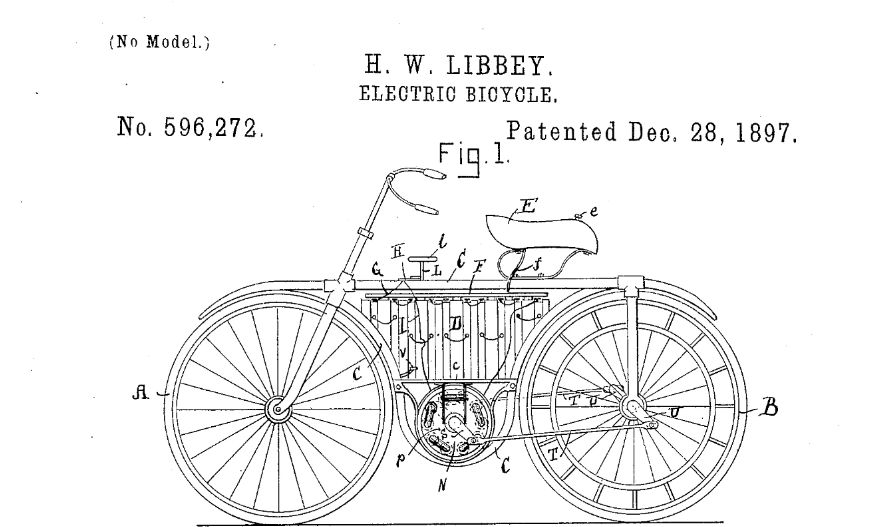
The 20th Century: Technological Trials and Initial Commercialization
In the early 20th century, the research and development of electric bikes gradually increased. However, due to the backwardness of battery technology at that time, the performance of these prototype bikes was limited. The range and power could not meet the actual needs. Meanwhile, the rapid development of internal combustion engines made cars and motorcycles more popular means of transportation, thus suppressing the development of electric bikes.
In the second half of the 20th century, with the progress of battery technology, especially the popularization of lead-acid batteries, the practicality of electric bikes was enhanced. The oil crisis in the 1970s stimulated people’s interest in new energy transportation. Some manufacturers began to attempt to introduce electric bikes to the market, but they still failed to achieve large-scale popularity.
The 21st Century: The Lithium Battery Revolution and Global Popularity
At the beginning of the 21st century, the emergence of lithium-ion batteries completely transformed the electric bike industry. These batteries are lighter, more efficient, and have a longer lifespan compared to traditional lead-acid batteries. With this technological breakthrough, electric bikes gradually entered the mainstream market.
In the 2000s, China became the world’s largest producer and consumer of electric bikes, driving the rapid growth of the industry. At the same time, the European and North American markets also began to embrace electric bikes. Especially for urban commuting and short-distance travel, electric bikes are regarded as an environmentally friendly and convenient option.

Modern Electric Bike: Intelligence and Diversity
Nowadays, electric bikes are no longer just a means of transportation. They incorporate a variety of modern technologies:
- Smart Connectivity: Many electric bikes are equipped with mobile apps, GPS navigation, and anti-theft tracking functions.
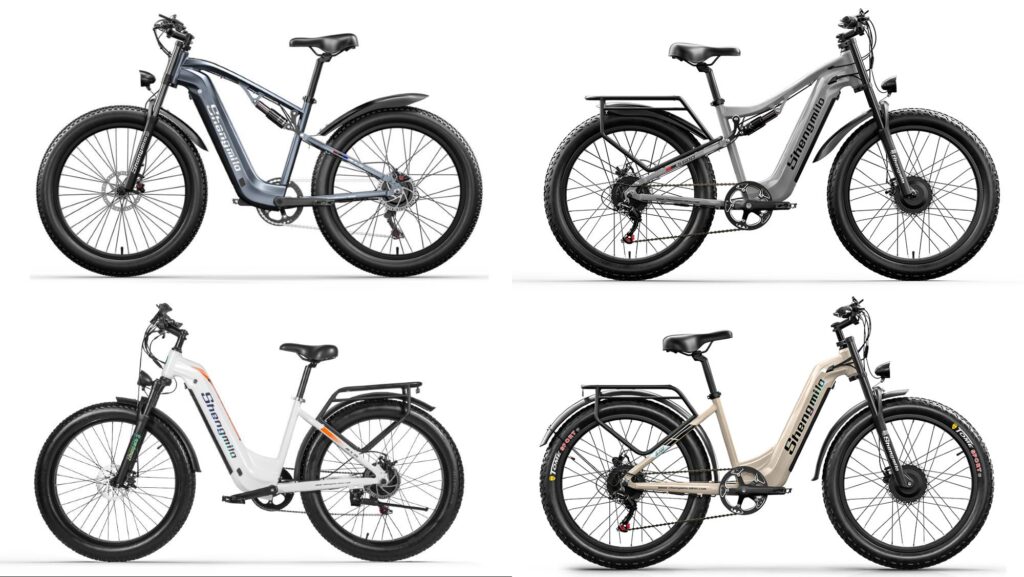
- Diverse Models: From urban commuting models, mountain off-road models to foldable ones, the designs of electric bike can meet the needs of different users. For example, the Shengmilo S600 is specifically designed for mountain biking, while the S700 step-through model is suitable for daily commuting.
- Environmental Trends: With the increasing global concern about climate change, electric bike, due to their low carbon emissions, have become an important part of promoting green travel.
Future Prospects: The Infinite Possibilities of Electric Bike
With the continuous advancement of technology, the future development prospects of electric bike are extremely broad:
- New Energy Drive: Solar cells and hydrogen fuel cells are expected to further reduce the dependence of electric bike on traditional electricity.
- Autonomous Driving Features: Some electric bikes manufacturers are currently developing models with autonomous driving or assisted driving functions.
- Sharing Economy: The electric bike sharing services in cities are expanding rapidly, providing more convenience for short-distance travel.
Conclusion
The history of electric bike is an evolutionary process driven by both technology and demand. From the initial experimental designs to today’s intelligent and diverse products, it has not only changed the way people travel but also made significant contributions to environmental protection and sustainable development. With the continuous progress of technology, electric bike will surely play an even more important role in the future and create more possibilities for humanity.
If you have any questions about choosing or using electric bike, please feel free to contact us!
Shengmilo AU Official Store: www.shengmilo.com.au
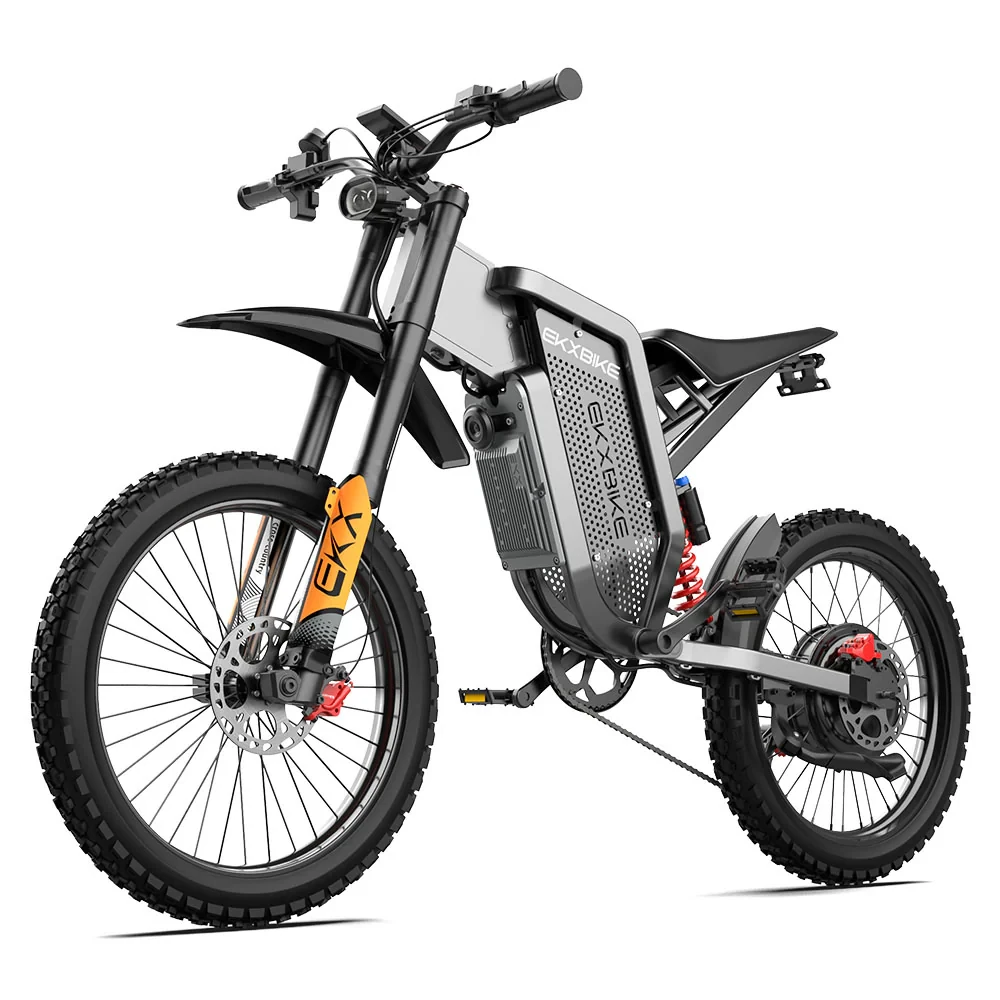
EKX X21 Max Review: The Ultimate 3000W Off-Road Dirt Bike for Australian Riders
For Australian riders who love adventure, power, and all-terrain performance, the EKX X21 Max is emerging as one of the

Shengmilo AU Holiday Mega Sale 2025
🎉 Welcome to the Shengmilo AU Holiday Mega Sale! From Black Friday to Christmas and New Year, this is your