
While power meters have become essential tools for quantifying exercise intensity, heart rate monitors still hold an indispensable position in exercise monitoring. They are not only key to receiving feedback from the body about exercise intensity but also crucial for avoiding the risks associated with reaching maximum heart rate (HRmax). Exceeding HRmax can lead to various potential health risks.

Understanding Maximum Heart Rate (HRmax)
Traditionally, heart rate has been widely used to quantify the intensity of sports such as cycling. This intensity has limitations, primarily determined by HRmax, which is the highest frequency (beats per minute) at which the heart can pump. Under normal physiological conditions, it is difficult to exceed this number, no matter how hard one tries.
HRmax decreases with age, although well-trained individuals may experience a smaller decline. In terms of athletic performance, there is often no significant difference in the actual effects of exercise between those who achieve very high HRmax and those at lower levels. HRmax simply marks the upper limit of heart contraction speed. The common formula used to estimate HRmax is 220 minus age, providing a theoretical reference point. However, this data is based on sedentary populations, leading to considerable individual variation among athletes. The only reliable way to accurately determine HRmax is through a maximum incremental exercise test.
The Risks of Reaching HRmax
Generally, reaching HRmax is uncommon in daily life and usually occurs during sudden, intense exercise when the body is not yet adapted. For example, during typical sprint training at the beginning of the season, heart rates may spike due to poor cardiovascular adaptability at that time. Once the foundational training period is complete and adaptability improves, the heart tends to beat more slowly to meet the nutritional needs of the muscles.
Even in competitions, we rarely see HRmax reached except in extreme cases, such as intense uphill sprints. However, incidents of exceeding HRmax can have serious consequences. A painful example is cyclist Ondrej Cink, who had to withdraw from a World Cup event years ago after his heart rate soared to an alarming 230 beats per minute due to arrhythmia. He underwent surgery afterward, but the results were not ideal.
Therefore, it is crucial to pay attention to the health risks associated with pushing the body to its limits, especially when proper preparation is lacking. For healthy individuals, the heart reaching HRmax may not immediately pose serious problems in the short term, but some heart conditions only manifest when the heart is close to this limit, such as the aforementioned arrhythmias.

The Rise of Electric Bicycles
In addition to traditional cycling, electric bicycles have increasingly become a popular choice for travel and exercise in recent years. Electric bikes affect heart rate similarly to regular bicycles but also have unique characteristics.
From the perspective of exercise intensity, electric bicycles, despite their electric assist systems, still impact heart rate. Even in electric assist mode, riders must pedal to start and control the bike, keeping their bodies active. When riders begin using electric bikes, the body’s energy demand increases, leading to a corresponding rise in heart rate as the heart pumps more oxygen and energy. Generally, heart rates during electric bike riding can be about 15 to 25 beats per minute higher than at rest, but the specific increase varies based on individual fitness levels, riding habits, and the bike’s assist mode and speed settings.
For individuals with weaker bodies or chronic conditions, the assist mode can facilitate a manageable level of exercise, positively affecting cardiovascular function and metabolism. However, if these individuals rely too heavily on electric assistance, maintain high speeds for extended periods, or push themselves beyond their capabilities, it may lead to excessively high heart rates, placing a greater burden on the heart and increasing the risk of heart disease.
Additionally, the design and riding conditions of electric bicycles are closely linked to heart health. Poorly designed seats or handlebars can result in uncomfortable postures while riding, affecting breathing and circulation, which can indirectly influence heart rate. Riding in busy traffic can also elevate heart rates due to mental stress and pressure. Thus, choosing an electric bike that suits one’s physical condition and riding in a safe, comfortable environment is crucial for maintaining stable heart rates.
Conclusion
As a new form of transportation and exercise, electric bicycles offer convenience and enjoyment while also requiring a proper understanding of their impact on heart health. Whether for health-conscious cyclists or everyday users, it’s essential to select riding methods and intensities that align with personal fitness levels to ensure cardiovascular health while enjoying the benefits of electric bikes.
Understanding the concepts of heart rate and HRmax, along with their close relationship to sports health, is vital for anyone who loves to exercise. Striking a balance between pursuing athletic achievements and maintaining health is essential, ensuring that exercise serves as a boon to our well-being rather than a hidden risk.
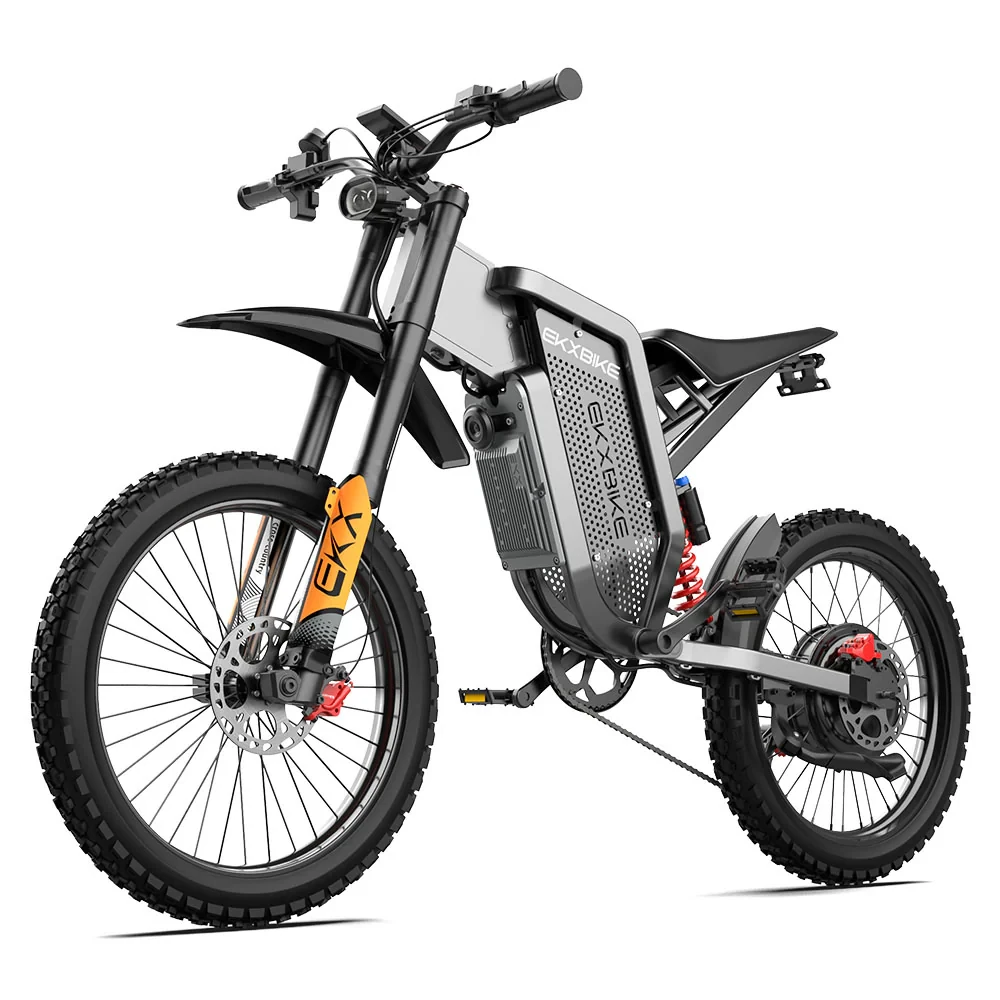
EKX X21 Max Review: The Ultimate 3000W Off-Road Dirt Bike for Australian Riders
For Australian riders who love adventure, power, and all-terrain performance, the EKX X21 Max is emerging as one of the

Shengmilo AU Holiday Mega Sale 2025
🎉 Welcome to the Shengmilo AU Holiday Mega Sale! From Black Friday to Christmas and New Year, this is your