
In the development of electric bikes, the motor is undoubtedly the core power source. In contrast, the sensors and controllers that work in tandem with the engine are their indispensable “best assistants.” The application of these components has allowed electric bikes to overcome the debate between throttle and pedal, leading to the true evolution of the pedelec. In Australia, cycling culture has been proliferating, particularly in cities like Melbourne and Sydney, where electric bikes are becoming a popular choice for both commuting and recreational purposes.

Sensors: Accurately Sensing the Rider’s Intent
Sensors are a critical part of an electric bike. They monitor data such as pedaling cadence and pedal force in real time and transmit this information to the controller, which then adjusts the motor’s operation. According to the EPAC (Electric Power Assisted Cycle) standards, an electric bike must be pedaled to start the motor. Once pedaling stops, the motor must stop as well. Most electric bikes in Australia are equipped with a speed sensor on the pedal axle, and some models also include a torque sensor to precisely measure the pedaling force.
Torque Sensors vs. Cadence Sensors
Commonly used sensors include torque sensors and cadence sensors. Torque sensors detect the force applied to the pedals, calculating the torque value to determine the rider’s pedaling intent. Cadence sensors, on the other hand, are mounted on the crankset and consist of magnetic rings and contact points. They measure pedaling frequency to determine the level of assistance needed. The higher the cadence, the greater the power output from the motor.
In high-performance electric bikes, both torque and cadence sensors are often used together. By analyzing data from both sensors, the controller can more accurately determine the rider’s state and adjust the assistance accordingly, improving the overall riding experience. This is especially useful for riders in Australia, where cycling terrain can vary greatly, from flat city streets in Brisbane to the more challenging hills in the Blue Mountains.
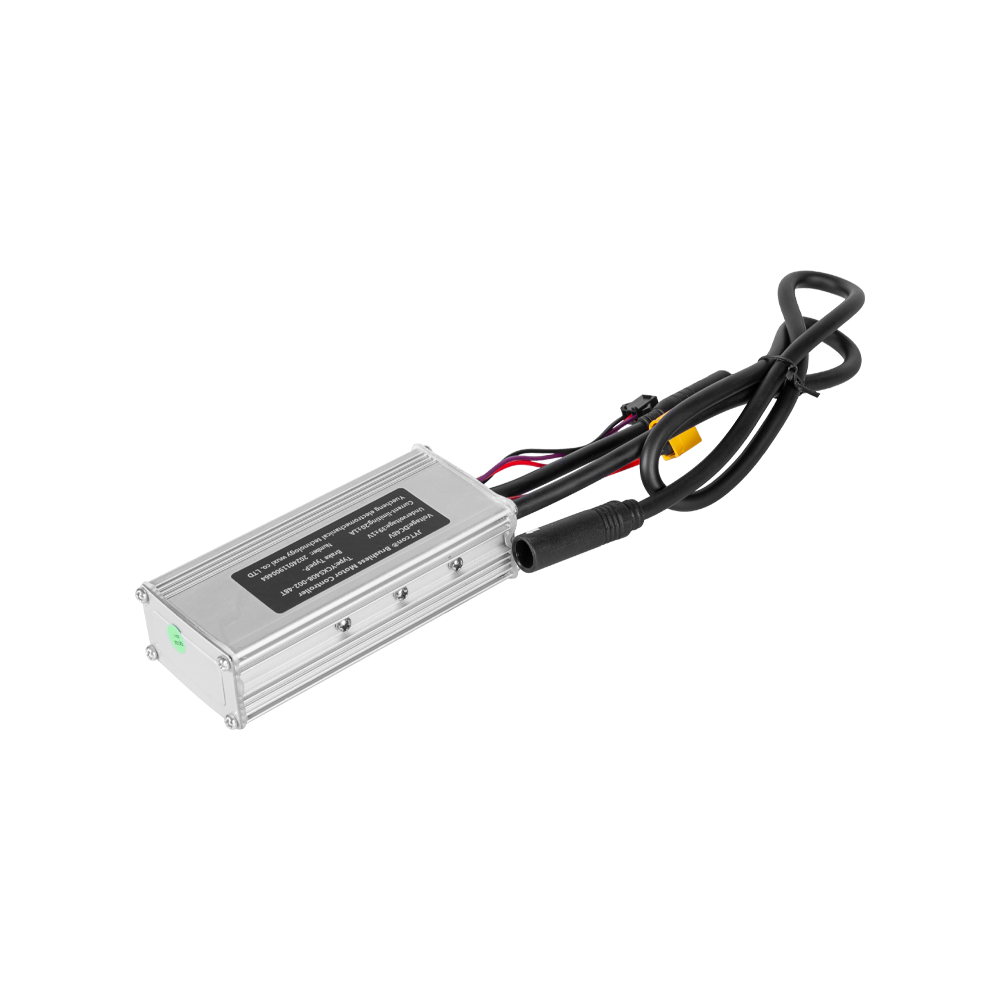
Controllers: Smartly Adjusting Motor Output
The controller is the “brain” of the electric bike. It receives signals from the sensors, processes them, and then sends control signals to the motor to regulate its operation. The controller connects the battery, motor, sensors, and other components, continuously monitoring the pedal activity, battery voltage, motor power, and other key functions to adjust the motor’s speed and power output in real-time.
Core Functions of the Controller
The controller is responsible for more than just starting and stopping the motor. It also provides protection functions, such as monitoring the battery’s voltage to prevent overcharging or over-discharging, thus extending the battery’s lifespan. Additionally, the controller monitors the motor’s temperature and current, preventing overheating and ensuring the rider’s safety.
For Australian riders, these functions are particularly important given the wide range of environmental conditions. For example, the hot Australian summers can put a strain on both batteries and motors, making the controller’s temperature regulation function essential for optimal performance and longevity.
Many controllers also offer various riding modes, such as eco mode, comfort mode, and sport mode. Riders can switch between these modes to optimize motor power according to their needs, making the ride more efficient and comfortable. In cities like Melbourne, where the weather can be unpredictable, switching to eco mode for daily commutes can help extend battery life, while sport mode is ideal for weekend cycling adventures along the Australian coast.
Sine Wave vs. Square Wave Controllers
There are two common types of waveforms for controllers: sine wave and square wave. Sine wave controllers provide smoother and more efficient motor operation, offering a quieter and more refined riding experience. Square wave controllers, on the other hand, are simpler and more cost-effective, making them more suitable for entry-level electric bikes.
For Australian cyclists, who often use their electric bikes for longer journeys or urban commuting, the smoothness of sine wave controllers can be a significant advantage, providing a more enjoyable and noise-free ride.
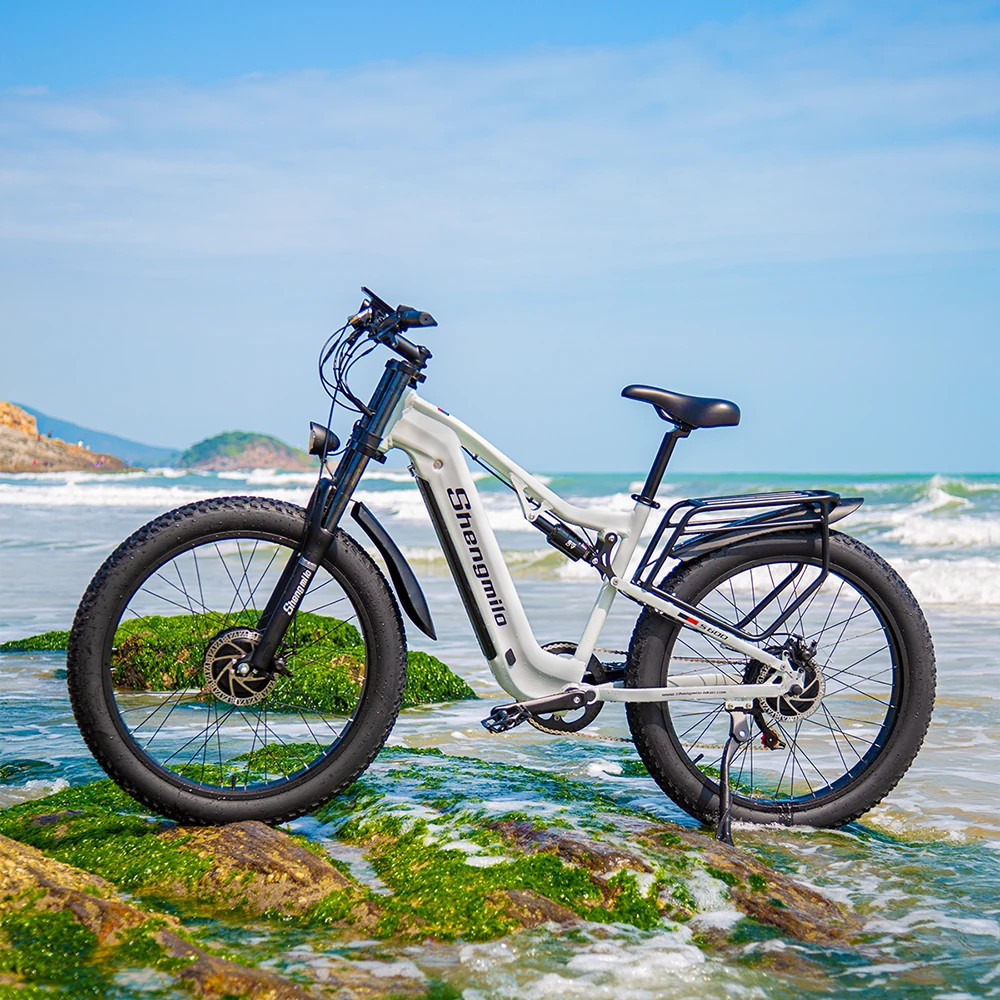
The Synergy of Sensors and Controllers
The collaboration between sensors and controllers determines the overall performance of the electric bike. Sensors accurately capture the rider’s intentions, while the controller adjusts the motor’s output based on this data. This seamless interaction enables the electric bike to provide optimal assistance based on the rider’s needs, ensuring a smooth and efficient ride. This is particularly helpful in Australia, where cycling is not just a mode of transport but an outdoor lifestyle, whether commuting in Sydney or exploring the natural beauty of the Great Ocean Road.
Conclusion
The rapid development of electric bikes relies heavily on the combined role of sensors and controllers. Sensors accurately perceive the rider’s intentions, and controllers adjust the motor’s output based on this information, ensuring a smooth, safe, and efficient riding experience. In Australia, where electric bikes are becoming increasingly popular for commuting and recreational riding, these components help riders make the most of their bikes in diverse environments, from bustling urban centers to scenic coastal routes.
As technology continues to advance, sensors and controllers will play an increasingly important role in the future of electric bikes, offering riders in Australia more intelligent and personalized riding experiences.
Shengmilo AU Store: www.shengmilo.com.au
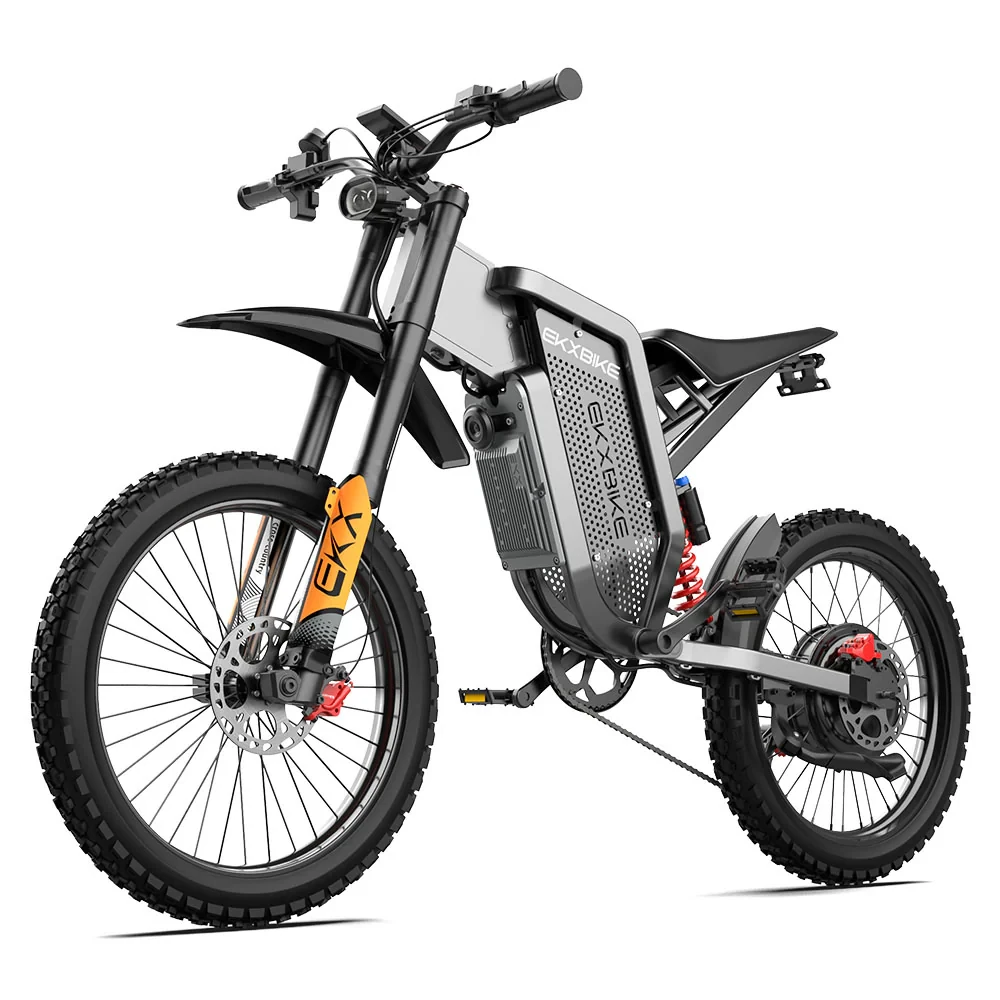
EKX X21 Max Review: The Ultimate 3000W Off-Road Dirt Bike for Australian Riders
For Australian riders who love adventure, power, and all-terrain performance, the EKX X21 Max is emerging as one of the

Shengmilo AU Holiday Mega Sale 2025
🎉 Welcome to the Shengmilo AU Holiday Mega Sale! From Black Friday to Christmas and New Year, this is your