
As electric bikes (e-bikes) continue to rise in popularity, particularly in urban areas like Sydney, Melbourne, and Brisbane, the motor—the core component of these bikes—has become a key focus for both riders and manufacturers. The motor doesn’t just influence an e-bike’s performance; it plays a vital role in determining factors like range, speed, and hill-climbing ability. In this article, we’ll dive into the basics of electric bike motors to help you understand the technology that powers your ride. Whether you’re a daily commuter or an avid cyclist exploring Australia’s diverse landscapes, knowing the ins and outs of electric bike motors can improve your cycling experience.
The Basic Function of an Electric Bike Motor
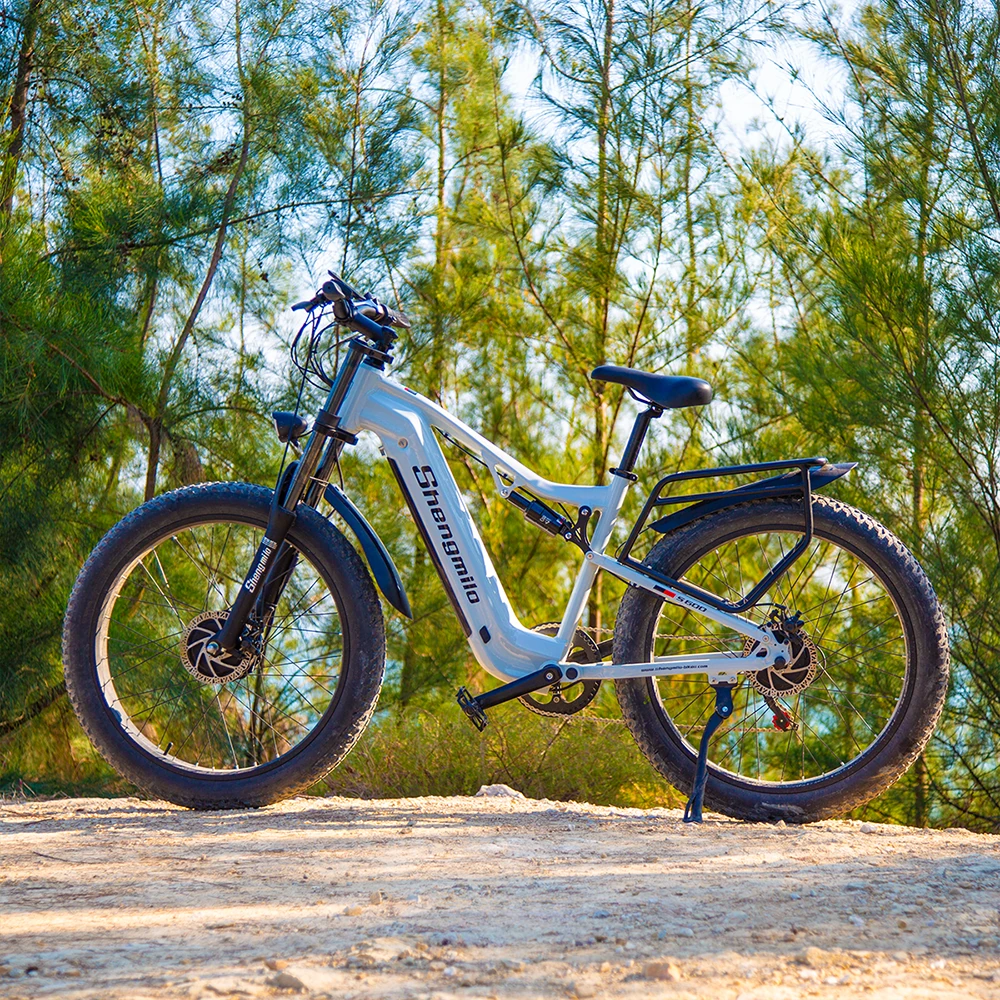
The motor in an electric bike is the driving force behind the bike’s movement. It converts the electrical energy from the battery into mechanical power, propelling the bike forward. Unlike traditional bicycles, which rely solely on the rider’s pedaling power, an e-bike’s motor provides assistance, making long-distance rides and hilly terrain much easier to tackle. For urban commuters in cities like Melbourne or Adelaide, the motor can reduce the strain of daily cycling, ensuring a more comfortable and less tiring ride.
Types of Electric Bike Motors
There are several types of motors commonly used in electric bikes, with the most popular being hub motors and mid-drive motors. Each motor type offers distinct advantages depending on your riding needs, terrain, and riding style.
1. Hub Motor (Direct-Drive Motor)
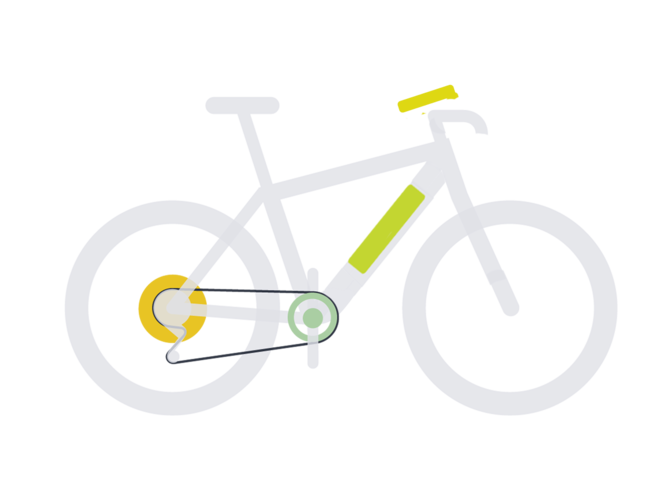
A hub motor is installed directly into one of the bike’s wheels, either at the front or rear. This is the most common motor type found in e-bikes in Australia due to its simplicity and cost-effectiveness.
- How It Works: The motor is integrated into the wheel hub, where it spins to drive the bike forward. Hub motors are typically more straightforward, with fewer moving parts, resulting in less mechanical friction.
- Advantages: Hub motors are generally more affordable, require less maintenance, and are highly efficient for city commuting and short-distance trips. The simplicity of the system makes them ideal for Australian commuters who mostly ride on flat, urban streets.
- Disadvantages: The motor’s location in the wheel can affect handling, especially when climbing steep hills or under heavy load. Battery life may also be somewhat limited when compared to mid-drive systems.
2. Mid-Drive Motor
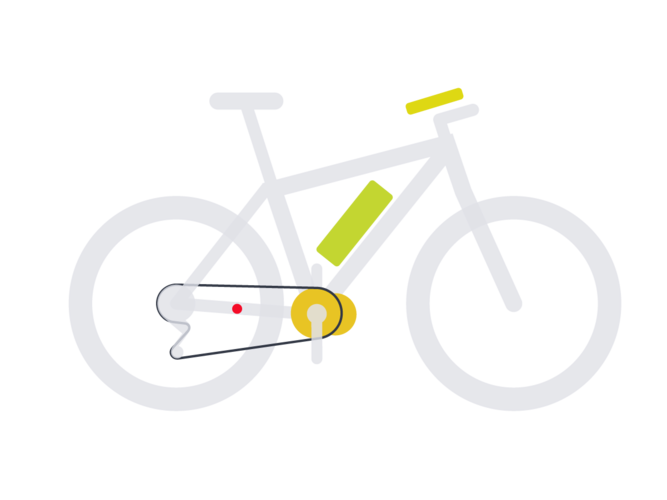
A mid-drive motor is installed at the center of the bike, usually near the bottom bracket, and works in conjunction with the bike’s gears to power the rear wheel. This motor type is favored by serious cyclists and off-road enthusiasts.
- How It Works: The motor is connected to the bike’s drivetrain, leveraging the gears to offer better torque and efficiency, making it particularly effective for tackling hills or rough terrain.
- Advantages: Mid-drive motors offer superior power efficiency, especially for climbing hills or tackling challenging Australian terrain such as the Blue Mountains or the Great Ocean Road. They also provide more balanced weight distribution, which improves the bike’s handling and stability.
- Disadvantages: Mid-drive motors tend to be more expensive and require more complex maintenance compared to hub motors. They can also add extra weight to the bike, which may impact overall performance.
Electric Bike Motor Power
The power of an electric bike motor is typically measured in watts (W), with most e-bikes offering a range from 250W to 750W. High-performance e-bikes, designed for more demanding terrains like the Dandenong Ranges or Tasmanian trails, may feature motors as powerful as 1000W or more.
Common Power Configurations:
- 250W: Ideal for flat city streets and daily commutes in urban areas like Sydney or Brisbane. This power output is also typically compliant with Australian e-bike regulations.
- 500W: Suitable for riders who encounter mild hills or need more power for faster acceleration. It’s a good choice for moderate inclines in suburban areas.
- 750W and above: Best for off-road biking, hilly regions, or riders who want to reach higher speeds. For example, riders exploring Tasmania’s rugged landscape may prefer this motor configuration.
Electric Bike Motor Voltage
Electric bike motors typically operate at 24V, 36V, or 48V, and the voltage directly impacts the motor’s power output and efficiency. Higher voltage systems provide more power, offering a smoother and more efficient ride, especially on hilly terrain.
- 24V: Suited for lightweight e-bikes and short, flat rides in urban environments.
- 36V: The most common voltage for e-bikes in Australia, providing a good balance between power and range for city commuting.
- 48V: Ideal for riders who need extra power for challenging terrain, such as steep hills or long-distance rides through regional Australia.
Motor Efficiency and Range
The motor’s efficiency directly impacts the range of your electric bike. Efficient motors convert more of the battery’s energy into usable power, meaning you can travel farther on a single charge.
- Motor Efficiency: More efficient motors allow you to ride longer distances without depleting your battery as quickly. This is especially beneficial for long rides across Australia’s expansive outback or scenic coastal routes.
- Assistance Modes: Most e-bikes come with various assist modes that adjust the level of motor assistance. Lower power modes conserve battery life and extend range, while higher power modes offer more acceleration and help with hill climbing, though they can reduce range.
How to Choose the Right Electric Bike Motor
When selecting an electric bike, consider the motor type and power output based on your riding needs, terrain, and local conditions. Here’s how to choose the best motor for your e-bike:
- Commuting on flat roads: If you’re primarily using the bike for city commuting in places like Sydney or Melbourne, a hub motor with a 250W motor is a good choice. It’s efficient for flat terrain and will keep you within Australian e-bike regulations.
- Tackling hills or off-road biking: For hilly regions like the Adelaide Hills or Blue Mountains, a mid-drive motor with 500W or 750W power will provide the torque needed for smooth climbs and long-distance rides.
- High-performance riding: If you’re looking for a high-performance e-bike for off-road adventures or long trips across Australia, opt for a 48V motor with a higher wattage (750W+).
Conclusion
Choosing the right electric bike motor is key to optimizing your ride, whether you’re commuting in Brisbane, exploring Tasmania, or venturing into the Australian outback. Understanding the differences between motor types, power, and voltage will help you make an informed decision about your e-bike. As technology advances, expect even more efficient, smarter, and environmentally friendly e-bike motors to hit the market. With the right motor, you can enjoy a faster, more efficient, and fun riding experience no matter where you are in Australia.
Shengmilo AU Store: www.shengmilo.com.au
Shengmilo EU/UK Store: www.shengmilo.bike
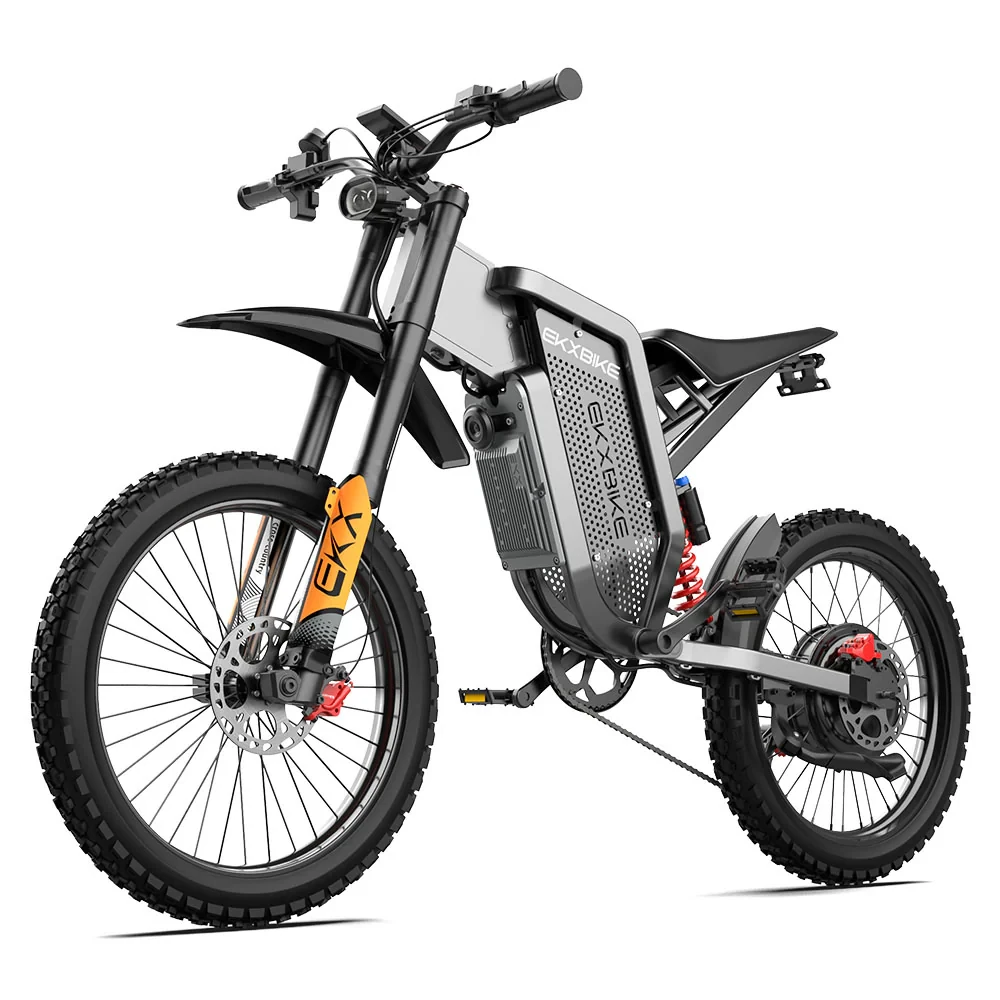
EKX X21 Max Review: The Ultimate 3000W Off-Road Dirt Bike for Australian Riders
For Australian riders who love adventure, power, and all-terrain performance, the EKX X21 Max is emerging as one of the
Shengmilo AU Holiday Mega Sale 2025
🎉 Welcome to the Shengmilo AU Holiday Mega Sale! From Black Friday to Christmas and New Year, this is your