
Unveiling the E-Bike Fork: The Key to Your Riding Experience!
E-bikes have become increasingly popular in Australia, offering an efficient and convenient way to commute or explore the outdoors. Among the many components affecting ride comfort and control, the front fork stands out as one of the most crucial. But do you really understand the role of an e-bike fork? This article will take you through its functions, types, and how to choose the right one.
1. The Role of the Fork: More Than Just Supporting the Front Wheel
The fork connects the frame to the front wheel and serves several key functions:
Shock absorption: Reduces impacts from the terrain, improving ride comfort.
Steering stability: Influences responsiveness and overall control.
Structural support: Ensures wheel alignment and bears various stresses during riding.
In Australia, whether you’re cycling through Sydney’s city streets or tackling Tasmania’s rugged mountain trails, the right fork can significantly enhance your riding experience.
2. Main Types of E-Bike Forks
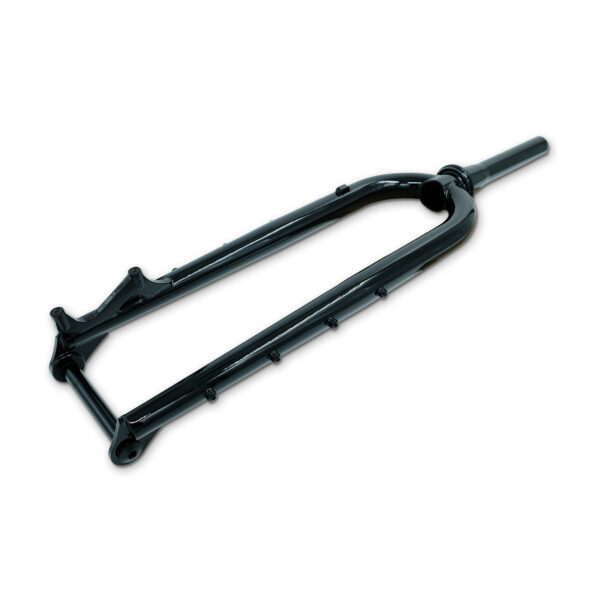
Rigid Fork
Rigid forks have no suspension and are made from materials like aluminium or carbon fibre.
Pros: Lightweight, low maintenance, efficient pedalling—ideal for city commuting and paved roads.
Cons: Lacks shock absorption, making rough roads less comfortable.
Best for: Road e-bikes and urban commuters.
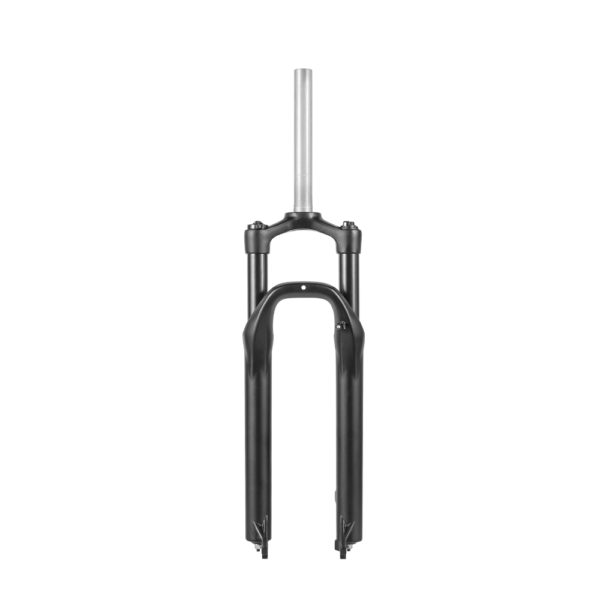
Oil-Spring Suspension Fork
Oil-spring forks are widely used in electric mountain bikes, combining a spring with a hydraulic damping system for smoother rides.
Pros:
Excellent shock absorption: The spring absorbs impacts, while the hydraulic system reduces rebound, improving stability.
Versatile: Performs well on both urban roads and rough trails.
Low maintenance: Easier to maintain than air suspension forks.
Cons:
Slightly heavier than air forks.
Limited adjustability compared to air forks.
Best for: Moderate off-road riding, such as gravel paths, mountain trails, and light forest tracks.
Air Suspension Fork
High-end e-bikes often feature air suspension forks, using air pressure as the shock-absorbing medium.
Pros: Lightweight, highly adjustable, superior shock absorption for varied terrains.
Cons: More expensive, requires regular maintenance.
Best for: Hardcore off-road and mountain biking.
3. Advantages of Aluminium Forks
All our e-bikes come with aluminium alloy forks, offering several benefits:
Lightweight: Lighter than steel forks, reducing overall bike weight and improving handling.
Corrosion-resistant: Naturally oxidation-resistant, making it ideal for Australia’s humid or coastal environments.
High rigidity: Provides excellent support, ensuring stability at high speeds and on rough terrain.
Cost-effective: More affordable than carbon fibre forks, offering great value for most riders.
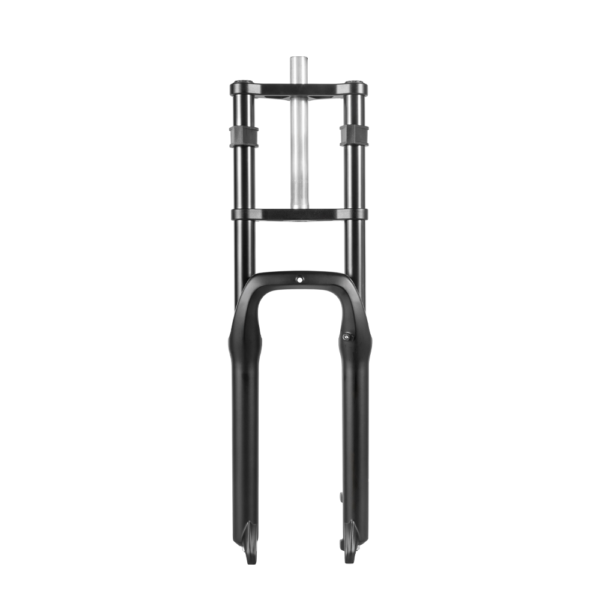
4. Benefits of Double Crown Forks
Double crown forks are commonly found on high-performance electric mountain bikes, including the Shengmilo S600, S700, and MX05. Their advantages include:
Increased strength and stability: The extended attachment points offer better torsional rigidity, keeping the fork stable in high-speed or downhill scenarios.
Superior shock absorption: Designed for longer suspension travel, effectively absorbing large impacts for better comfort on rough terrain.
Enhanced handling: Provides better steering precision at high speeds and sharp turns, improving safety.
Ideal for extreme off-road conditions: Suitable for steep mountain trails, forest tracks, and high-intensity riding environments.
5. How to Choose the Right Fork?
When selecting an e-bike fork, consider the following factors:
Riding conditions:
City commuting? A rigid or simple spring suspension fork will suffice.
Off-road adventures? Opt for an oil-spring or air suspension fork.
Suspension travel:
50-100mm: Suitable for light off-road or gravel paths.
100-150mm: Great for medium-intensity mountain riding.
150mm+: Ideal for extreme off-road challenges, such as steep trails or technical terrain.
Material & Weight:
Aluminium forks: Durable, lightweight, and cost-effective—ideal for most e-bikes.
Carbon fibre forks: Ultra-light but expensive, mostly used on high-end models.
6. Maintenance & Care
Regardless of the type of fork, regular maintenance ensures optimal performance:
Clean regularly: Especially after riding in muddy or dusty conditions, clean the seals and stanchions.
Check suspension settings: Air forks require periodic pressure adjustments to match your riding needs.
Lubricate and inspect components: Ensure smooth operation and prevent premature wear.
7. Conclusion: Choose the Right Fork to Enhance Your Ride
The fork plays a crucial role in an e-bike’s handling, comfort, and terrain adaptability. From Sydney’s city streets to Queensland’s off-road trails, the right fork can make a world of difference. Understanding the features and selecting the best one for your needs will elevate your riding experience.
If you’re looking for an e-bike designed for Australian terrain, check out the Shengmilo S600, S700, and MX05 full-suspension electric mountain bikes, all equipped with high-strength aluminium double crown forks.
Learn more about e-bikes and related knowledge on our blog: [Our Blog]
- YouTube for exciting product videos and ride experiences.
- Facebook to join our community and stay updated on the latest news.
- X (formerly Twitter) for quick updates and tips.
- Visit our Shengmilo AU Official Store for a full range of products and information.
Related Posts
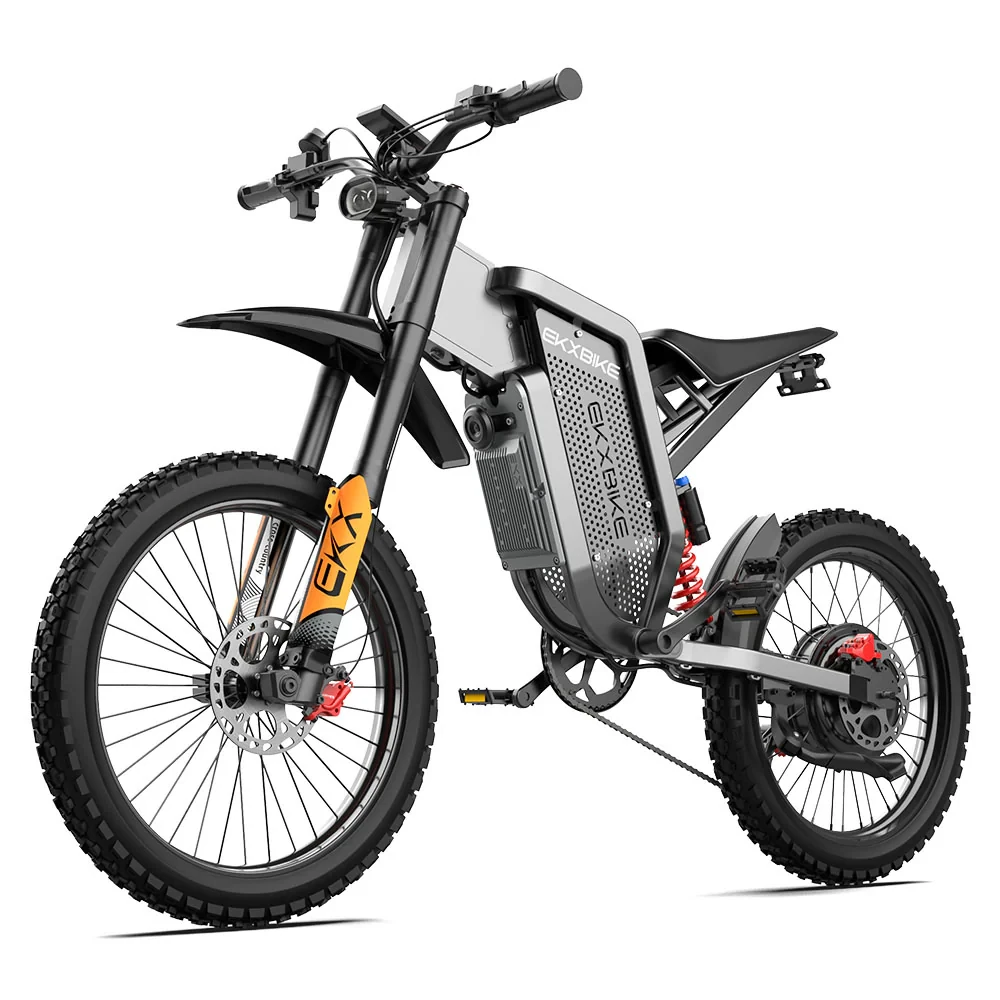
EKX X21 Max Review: The Ultimate 3000W Off-Road Dirt Bike for Australian Riders
For Australian riders who love adventure, power, and all-terrain performance, the EKX X21 Max is emerging as one of the
Shengmilo AU Holiday Mega Sale 2025
🎉 Welcome to the Shengmilo AU Holiday Mega Sale! From Black Friday to Christmas and New Year, this is your